


How To Blacken Stainless Steel?
Blackening of stainless steel is achieved thanks to immersion in suitable oxidizing solutions at a temperature of 120/130° C. Why to blacken metals? Primarily it is necessary to color metal of black in a totally opaque, smooth, shiny or satin. Or to not influence the size of blackening components (important characteristic for precision mechanics). What […]
Warehouse Storage of Stainless Steel. How Do You Do It?
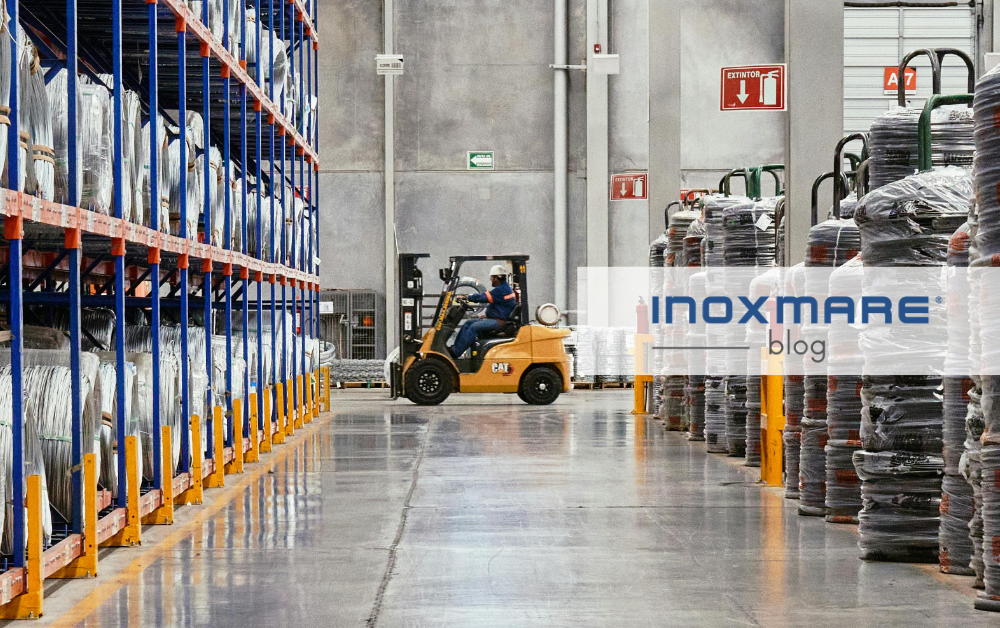
Generally, every store sells different qualities of metallic materials as carbon and alloy steel and, also, stainless steel. Under these conditions, specific procedures are necessary to prevent any deterioration of the materials. In fact, mechanical damage and other common defects are among the main causes of rust formation. How do you do it? It is […]
Stainless Steel Ordinary Maintenance. What Not to Use? – PART 2
This is the second article dedicated to the proper maintenance of stainless steel surfaces. Following the recommendations of the Italian Stainless Steel Development Association, here are some important guidelines on which tools and products should be avoided during cleaning and maintenance operations. Tools to Avoid The following tools should not be used on stainless steel […]
Ordinary Maintenance of Stainless Steel. How to Make It Better? – PART 1
This is the first of two articles dedicated to the proper maintenance of stainless steel surfaces. Below are some useful recommendations provided by the Italian Stainless Steel Development Association. Limescale Deposits To remove light limescale deposits use: For heavier deposits: Oil and Grease Stains For ordinary stains: For stubborn stains: Fingerprints Fingerprints can be removed […]
Welded Steel Chain Specifications.
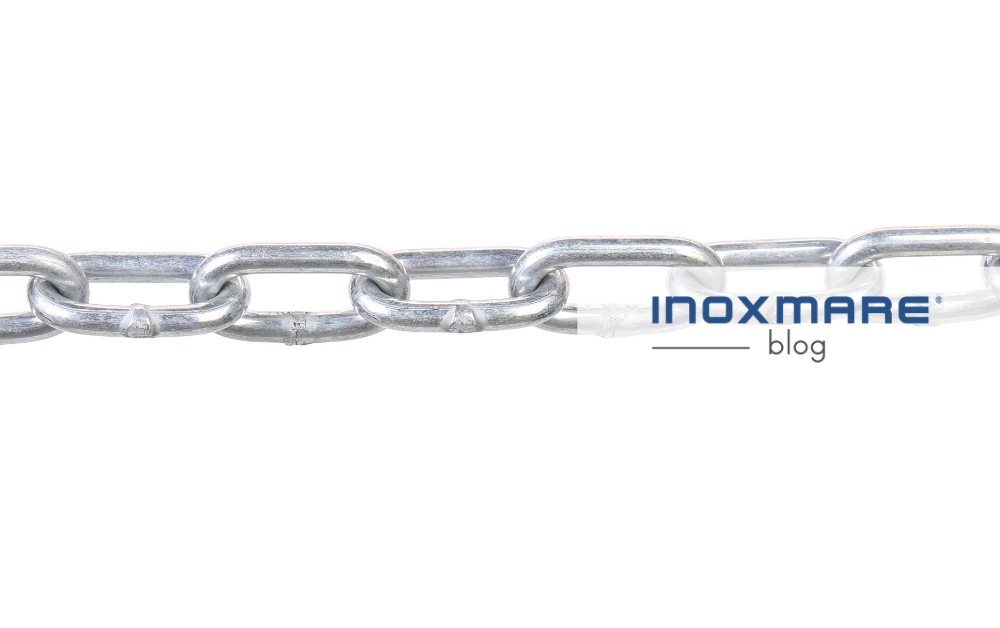
Today we are talking about welded steel chain. In the following, the specifications of NACM – National Association of Chain Manufacturers (who representing domestic manufacturers of chain since 1933) concerning the wide range of products such as stainless steel chain. How to use the chain? These size and related specifications are applicable to chain in […]
Steel. Some Surface Treatments – PART 2
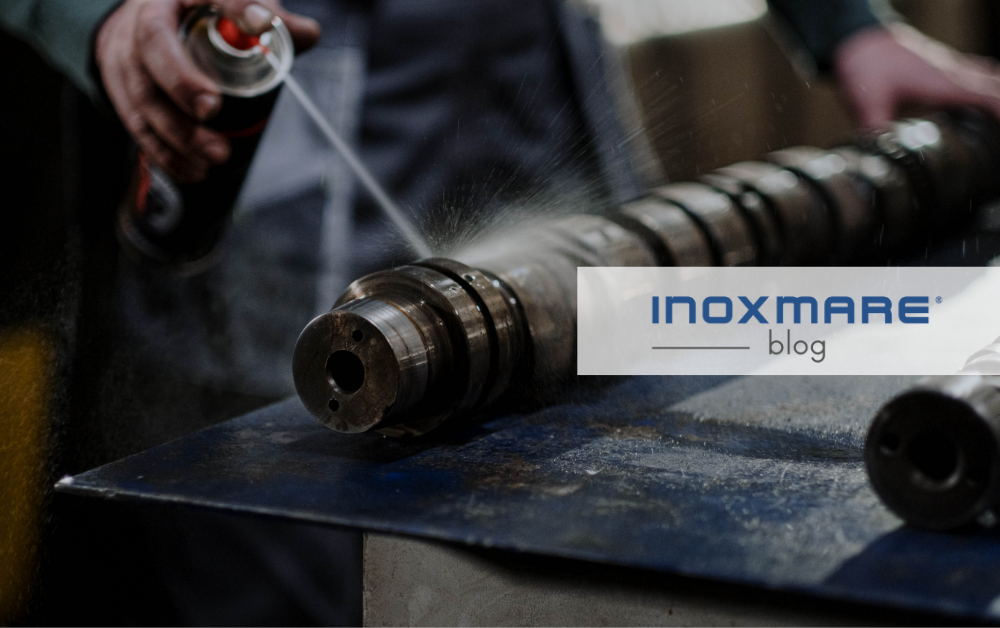
In the previous article, we discussed some of the most common surface cleaning methods, including degreasing and sandblasting. Today, we will focus on additional treatments used for stainless steel and alloy steels. Acid Pickling Before pickling, the material must be thoroughly cleaned in order to remove any grease, oil, or insoluble residues from the surface. […]
Steel. Some Surface Treatments – PART 1
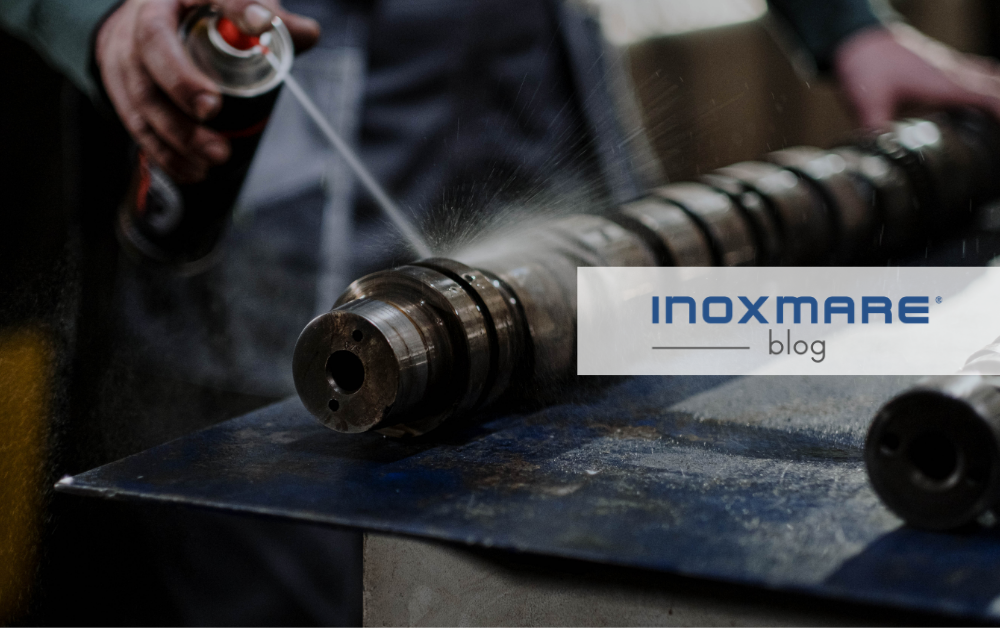
Hot-processing operations such as forging, rolling, welding, and heat treatment generate surface oxidation on carbon steels, alloy steels, and stainless steels. This oxidation layer, commonly known as “scale” or “mill scale”, must be removed because it can create problems during stamping and drawing operations. The presence of scale may compromise the corrosion resistance of the […]
Why to Use Stainless Steel Bars With Reinforced Concrete?
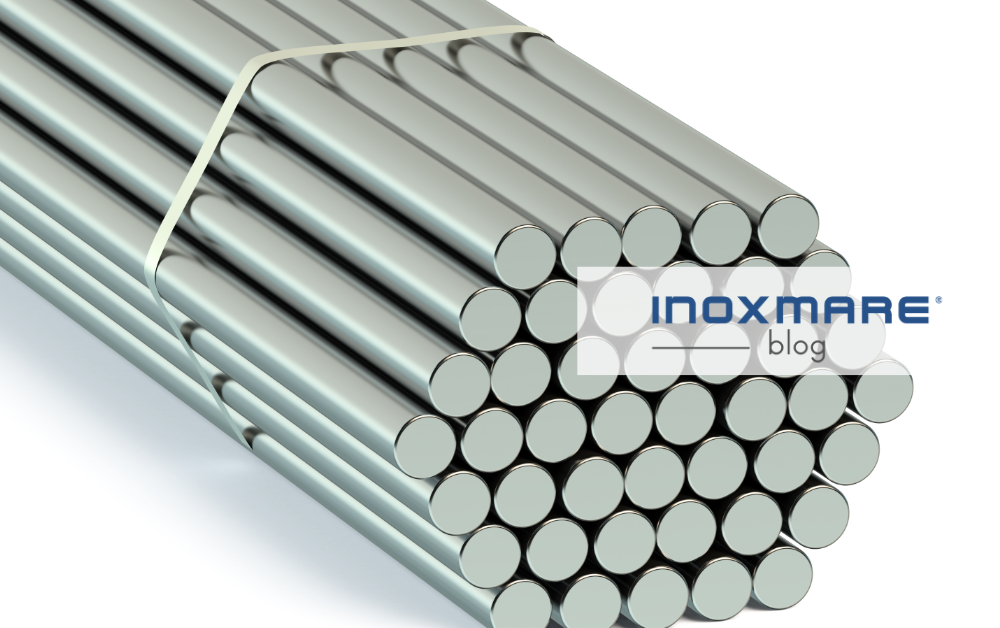
The early deterioration of concrete structures has become a strong global issues over the past 30 years. Because the reinforcement corrosion in steel with an estimated cost for repairs more than 550 billion dollars. Why use stainless steel bars for reinforcing steel? What are the structures involved in the aforementioned deterioration? Especially those located in […]
Stainless Steel Melting Processes
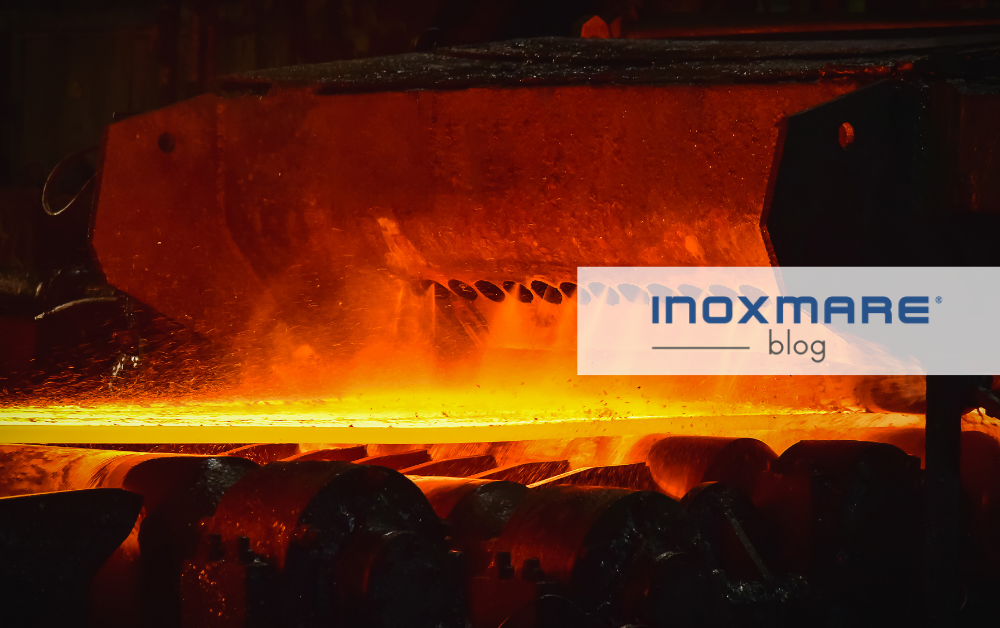
The first materials able to withstand the aggressive action of the acids were discovered in 1821, thanks to the mixing and the merger of oxides of iron and chromium. A little bit of history Initially, this alloy contained a percentage of chromium of around 1.5 and high carbon values. Only at the end of the […]
Why Use the Dimensional Tolerances?
The form and the size of a drawn object are considered “ideal2 conditions, which cannot be absolutely precise in real life. Why use the dimensional tolerance? Manufacturing processes always have geometric or dimensional erros; in the drawing, it is necessary to indicate the maximum permitted variability (known as tolerances) within which the produced parts are […]