


Parallel Keys – How to Use Them?
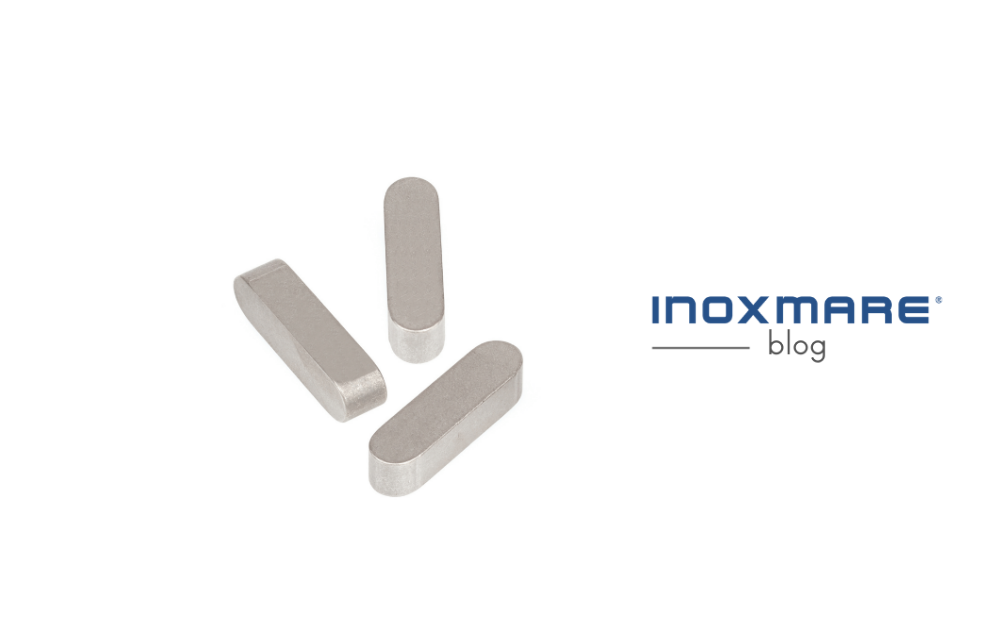
Stainless steel parallel key is a mechanical transmission connection between a shaft and a hub, with a wheel. (e.g. a gear wheel or a bullwheel) Stainless steel parallel keys: What are them? Parallel key is essentially a stainless steel parallelepiped. According to UNI 6604 standard, it shall be constructed of stainless steel with a breaking […]
Stainless Steel Threaded Rods – How to Use Them?
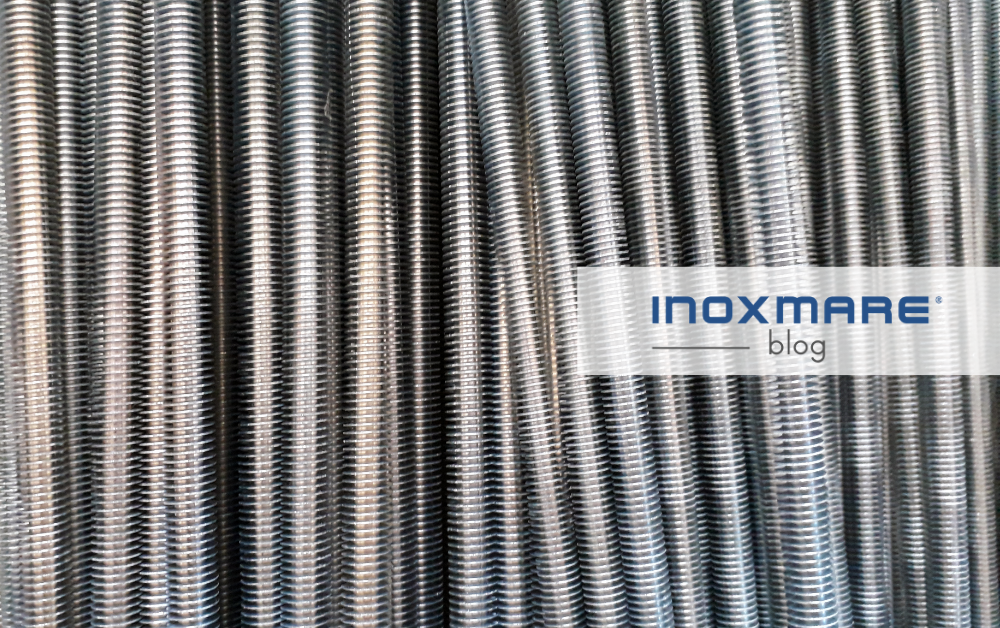
Stainless steel threaded rods have different uses in different sectors, from the marine to the construction industry. Threaded rods: all uses Stainless steel threaded rods are primarily used as anchors. These threaded rods can be used in various fields: Some techcnical details Our threaded rods are produced in AISI 304 and AISI 316 stainless steel. […]
Stainless Steel Wood Hook Screws – How to Use Them?
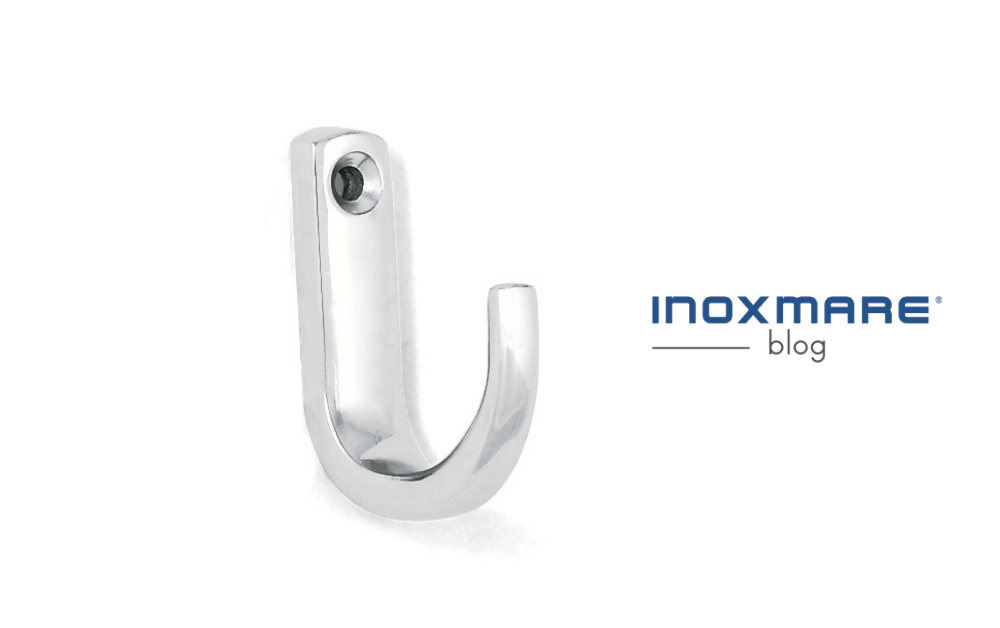
Wood screws, wood hook screws, wood square hook screws and wood eye screws are very popular and required in hardware stores. Their function is clear, including in bricolage and industrial applications. Wood hook screws: some advice The choice of the item depends on its use. As in the case of wood screws, you have to […]
Dowel Screw – What Using Them?
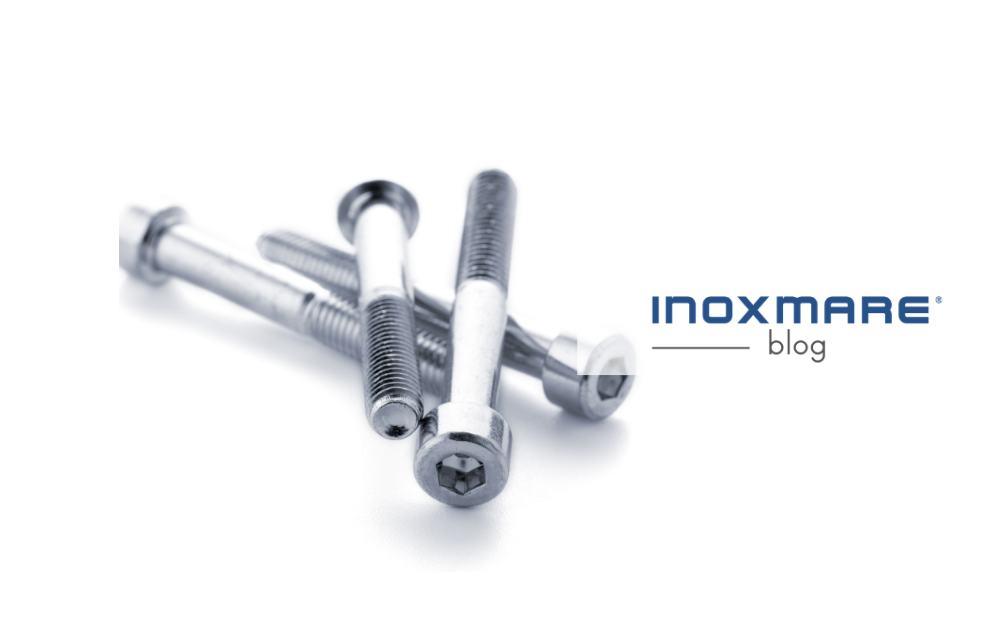
The dowel screw is characterized by a wood thread and an ISO metric thread through. Dowel screw: useful for solar The use of this screw is fundamental for the mounting and attachment of fixing systems for photovoltaic installations on the roofs. For this, are available: dowel screw with hexagon, metric-and wood thread, dowel screw with […]
Raised Countersunk Head. Why Use Them?
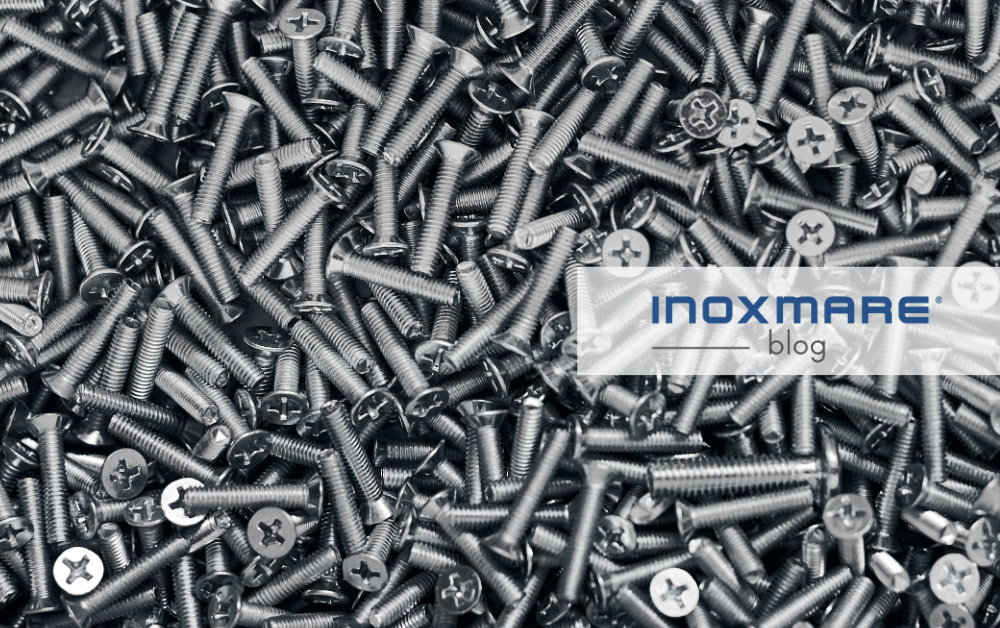
Raised countersunk head screw, commonly called “drop of tallow”, are certified in accordance with UNI ISO 1891:2014 standards. The countersunk screws: where to use them? Stainless steel raised countersunk head screws are used primarily in the nautical field, but they are perfect to be used on wood surfaces. Addittionally, they can be found on some […]
Torx Screw or Phillips Screw – Are the Same Thing?
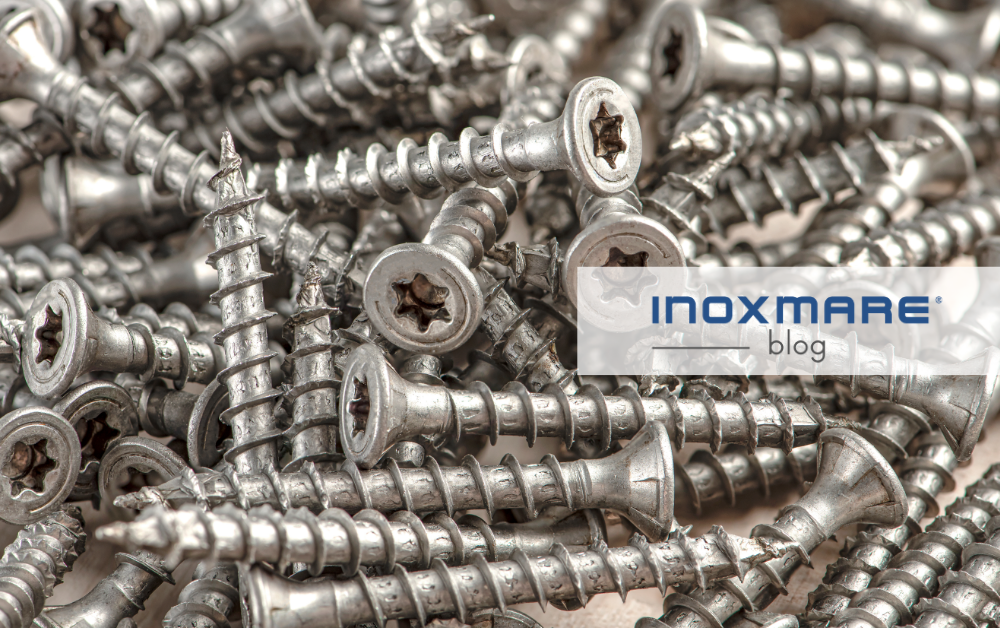
The Torx screw (also called “six-pointed screw”) is commonly conflated with the Philips screw. How to avoid any mistakes? TORX: a registered trade mark Torx screw is a specific type of head screw which is characterized by a recess with a six-pointed star. Its trade mark was registered and developed by Camcar LLC – Acument […]
Some Facts About Hexagon Socket Screws
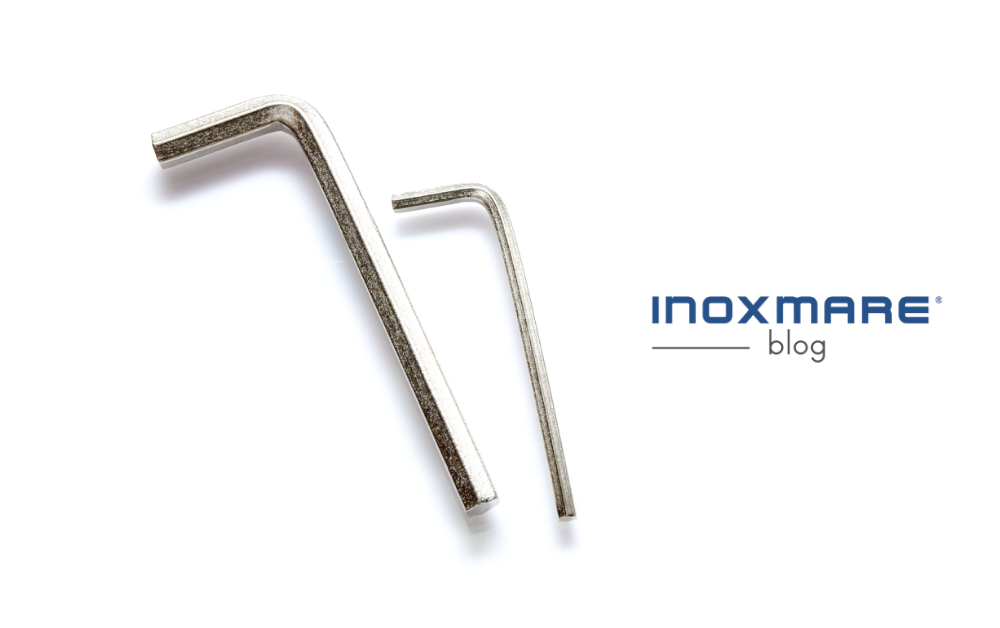
According about hexagon socket screws The stainless steel hexagon socket screws (as the others screws commercially available) are classified according to their resistance indicated by 50 (500 N/mm²), 70 (700 N/mm²) or 80 (800 N/mm²). These numbers are embedded on the screw head, together with type of material (A2 orA4) and the manufacturer’s trademark (from […]
The Usefulness of Blind Rivets.
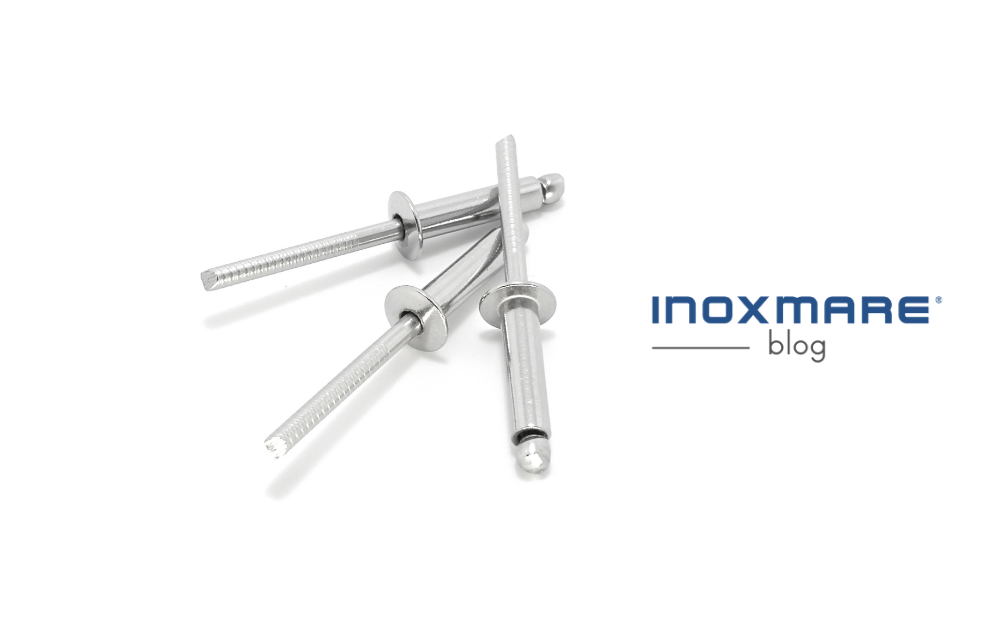
Open-end blind rivets with break pull mandrel and protruding head serve to build fast and blindly joint (so working on one side only). What is the blind rivet structure? Rivet cylinder is hollow and contain a plug that it’s tears off. And warp its end out, under the end zone with a larger diameter. The […]
Wedge Anchors – How Are They Made? And How to Use Them?
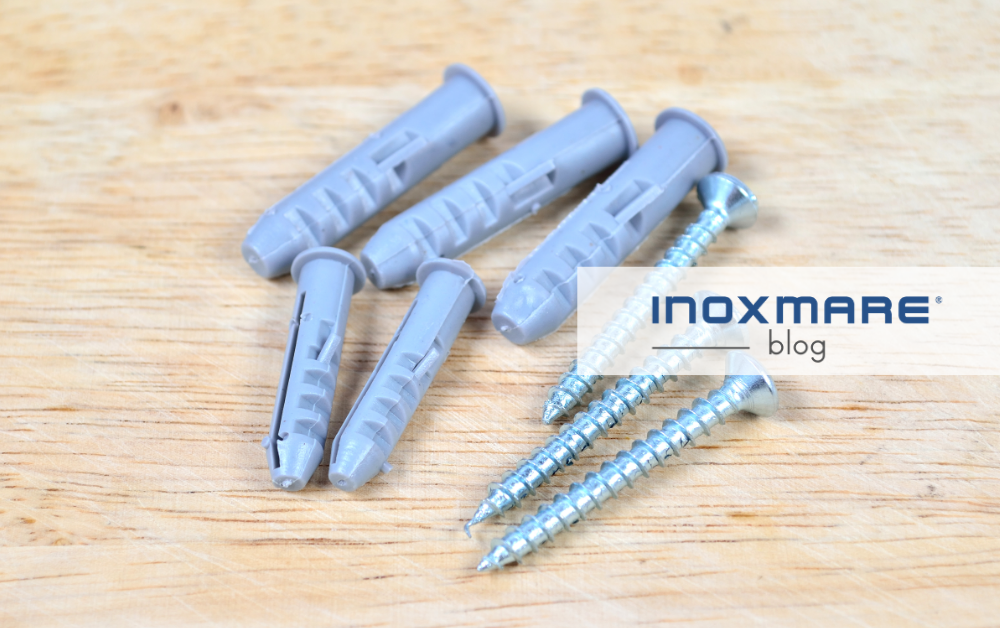
Common wedge anchors are made of two parts: one screw and one plastic serrated or metal covering. These are set to anchor on cracked or cracked-concrete. Here are the steps for the wedge anchors used The outer casing’s function The wedge anchor resistance is given by deformation of this outer casing during the riveting. Indeed, […]
What Differences Between Stainless Steel AISI 316 and AISI 304?
AISI 304 and AISI 316. Steel is an alloy of iron containing added carbon in a proportion of no more than 2.06%. Above this limit, the material properties change and the resulting alloy is called cast iron. Stainless steel is the term used to identify the family of steels containing a minimum of 11% chromium. This element makes the material highly resistant to corrosion. The elements present in stainless steels are very sensitive to their environment. Chromium, […]