


How Molybdenum, Nitrogen and Nickel Affects Steel Properties?
After speaking about aluminum, manganese, chromium and copper, in today post we will further focus our attention on three other alloying elements (molybdenum, nitrogen and nickel). And, most importantly, how each of them influences steel properties. Molybdenum: a transition metal Molybdenum (symbol Mo) is considered a transition metal thanks to its atomic number 42 on […]
How Do the Alloying Elements Affect Properties of Steels?
Aluminum, chromium, manganese, molybdenum. What is the role of the alloying elements on the properties of steels? When and why are they used? Aluminum and Chromium. Why are they used? ALUMINUM During the preparation of the steel, aluminum (Al) is used both as of the metal grain, for all those fine-grained steels. CHROMIUM Chromium (Cr), […]
Microscopic Failure Mechanisms of Metals – Fractures
Today we talk about the microscopic failure mechanisms of metals. Specifically, we focus on the fractures and consequently on the crack propagation. What is a fracture? And how does it takes place? A fracture is the separation of an object or a material into two or more pieces under the action of stress. But specifically […]
What Are the Different Tensile Tests for Fasteners?
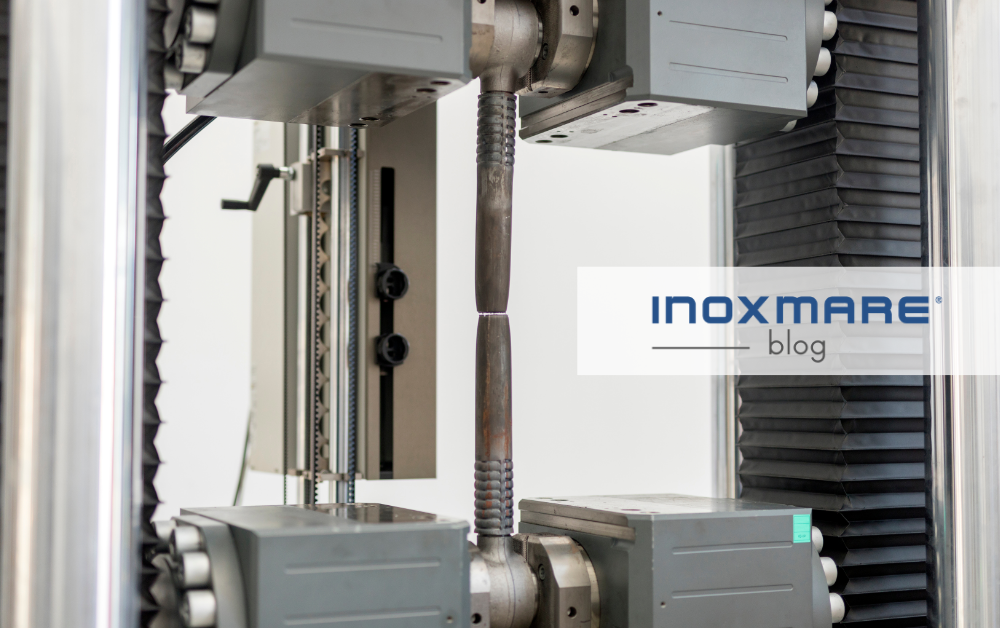
Today, in our post we want to talk about the testing methods required by standard 898-1 for fasteners. In particular, today we want to focus on all the tensile tests. Tensile tests with oblique support of finished screw This type of test is intended to determine simultaneously: Moreover, we report that the testing with oblique […]
Fasteners. Loading, Toughness and Hardness Tests
Today in our post we want to talk about the testing methods required by ISO 898-1 for connecting elements. In particular, we will to focus on loading, toughness and hardness tests. Loading test for screws and finished studs This type of test consists of two main actions: Toughness test of screw head The toughness test […]
How to Make a Correct Designation System for Fasteners?
The “UNI 3740-1 – 1999 – Threaded steel connection elements. Technical requirements. General information.” standards, in addition to specifying the general requirements for steel nuts, bolts and studs, also identifies a system for the designation of fasteners. Furthermore, the “UNI ISO 1891:2014 – Fasteners – Terminology” provides translation guidance for terms and nomenclature commonly used […]
What Are the National and International Standard-Setting Bodies?

Today we talk about the existing standard-setting bodies. But first, we want make some premise about standardisations and unifications. What are the difference between standardisations and unifications? First of all, standardisations are actions to establish and enforce rules, to put a specific field of activity in order. Secondly, the unifications are forms of standardisation. These […]
Hydraulic Crimping Tools 12 – What to Pay Attention?
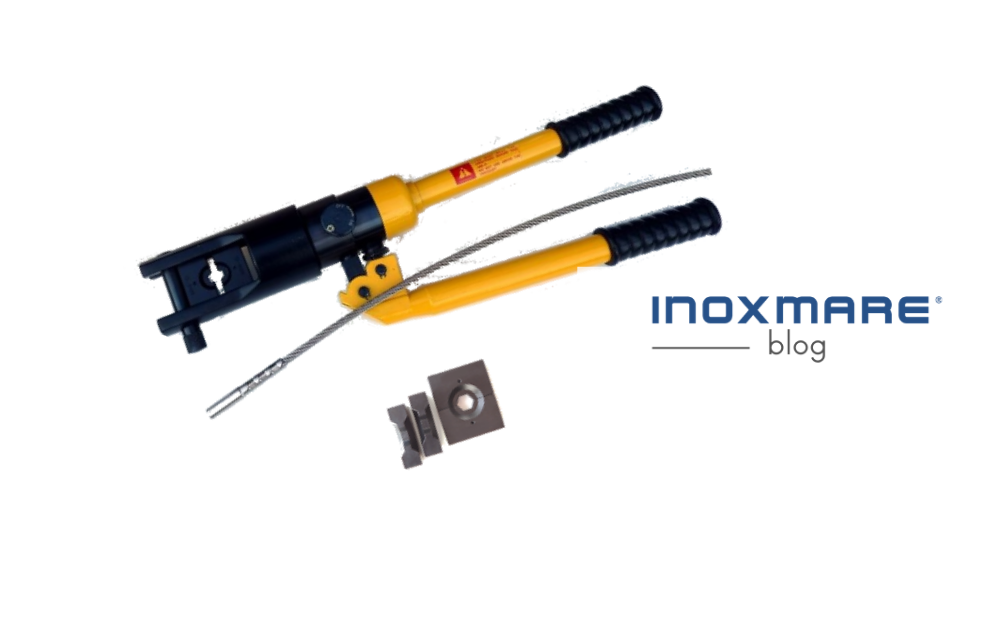
As promised in the post on Tuesday, today we want to give you some useful information regarding manual hydraulic crimping tools. In particular, some warnins to watch out for. How to use the Hydraulic Crimping Tools? In this post we want to suggest some tricks for using the hydraulic crimping tool. First, this tool must […]
How to Use the Hydraulic Crimping Tool?
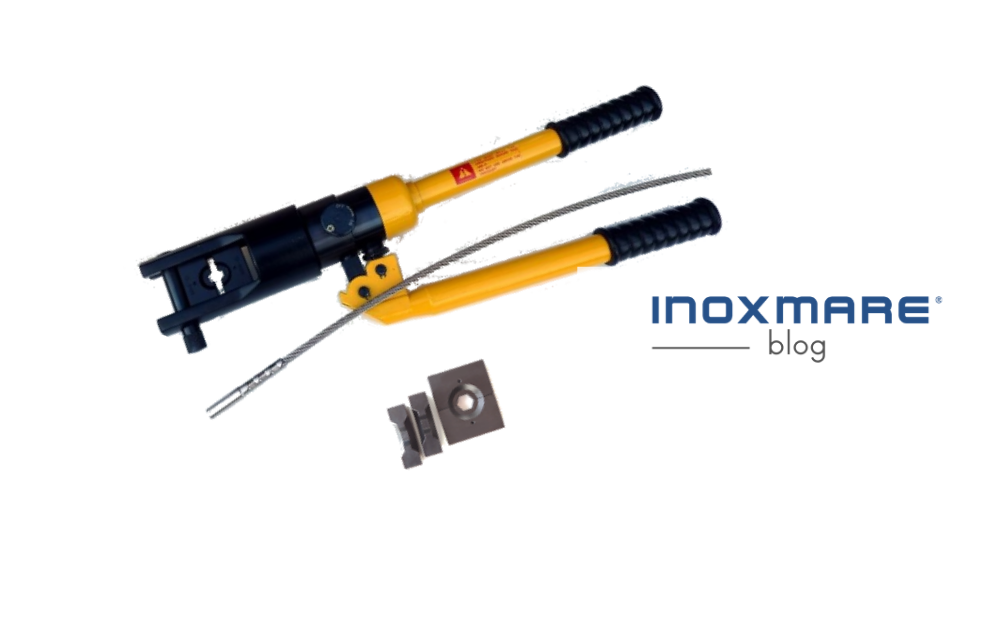
Our post today relates to the hydraulic crimping tool 12. In particular, we will discuss what you can press, as well as some important technical data. The task of the crimping tool is to connect a wire rope to a termination. Let’s start with the basics: stainless steel wire ropes. Wire ropes (or cables) may […]
Why Would You Choose AISI 316 Stainless Steel Flat Shackles for Maritime Use?
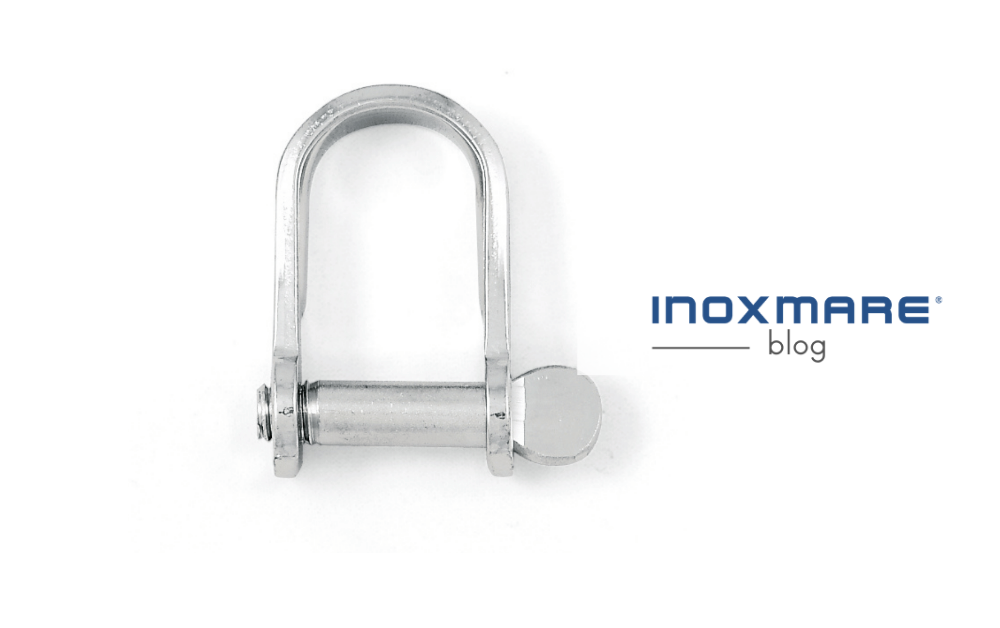
Currently, we have in stock the new flat shackles made on stainless steel AISI 316/A4. What use are the flat shackles? Stainless steel flat shackles are among the most common connection elements on marine sector. Even though we can often use the flat shackles as a key ring. In boating, we can use them as cable […]