


What Are the Problems That May Occur in Hydrogen Embrittlement?

In today post we want to talk about the hydrogen embrittlement. This chemical-physical process affects different metals, including right steels, more specifically those with high-resistance. How does the hydrogen embrittlement take place? This type of process is the result of the “undesirable” introduction of hydrogen within the steel which can take place during This mechanism […]
Silicon, Titanium and Vanadium. How Do They Affect Properties of Steel?
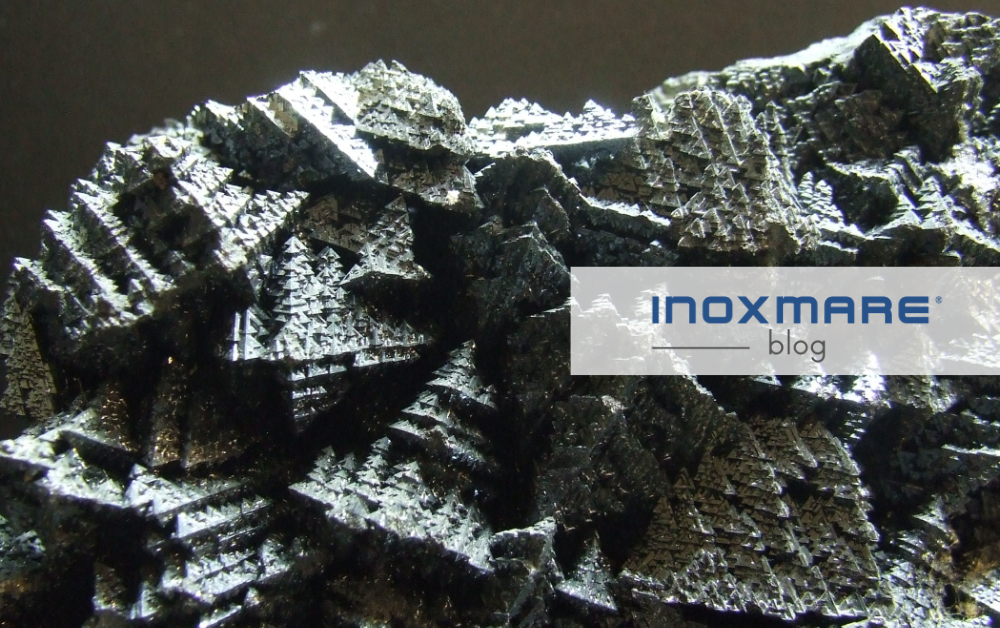
How do the properties of steel change when certain chemicals are added during their preparation? Titanium, silicon and vanadium are just a few of these elements we will cover today. Silicon: a semiconductor Silicon (Si) is a tetravalent metalloid and semiconductor. This element is always associated with iron and is used as a constituent in […]
How Molybdenum, Nitrogen and Nickel Affects Steel Properties?
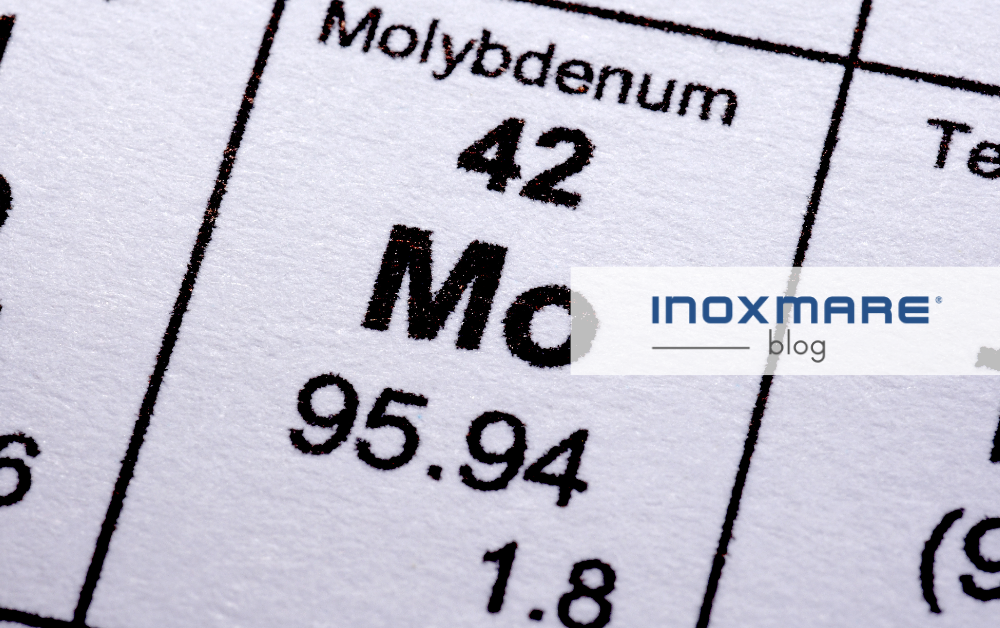
After speaking about aluminum, manganese, chromium and copper, in today post we will further focus our attention on three other alloying elements (molybdenum, nitrogen and nickel). And, most importantly, how each of them influences steel properties. Molybdenum: a transition metal Molybdenum (symbol Mo) is considered a transition metal thanks to its atomic number 42 on […]
How Do the Alloying Elements Affect Properties of Steels?
Aluminum, chromium, manganese, molybdenum. What is the role of the alloying elements on the properties of steels? When and why are they used? Aluminum and Chromium. Why are they used? ALUMINUM During the preparation of the steel, aluminum (Al) is used both as of the metal grain, for all those fine-grained steels. CHROMIUM Chromium (Cr), […]
What Are the Different Tensile Tests for Fasteners?
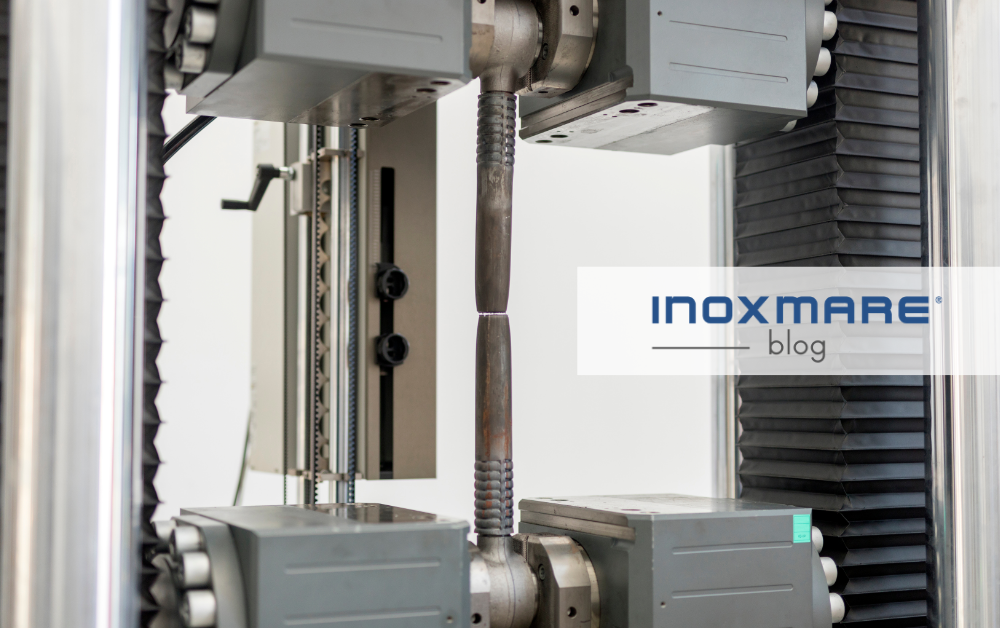
Today, in our post we want to talk about the testing methods required by standard 898-1 for fasteners. In particular, today we want to focus on all the tensile tests. Tensile tests with oblique support of finished screw This type of test is intended to determine simultaneously: Moreover, we report that the testing with oblique […]
Fasteners. Loading, Toughness and Hardness Tests

Today in our post we want to talk about the testing methods required by ISO 898-1 for connecting elements. In particular, we will to focus on loading, toughness and hardness tests. Loading test for screws and finished studs This type of test consists of two main actions: Toughness test of screw head The toughness test […]
How to Make a Correct Designation System for Fasteners?
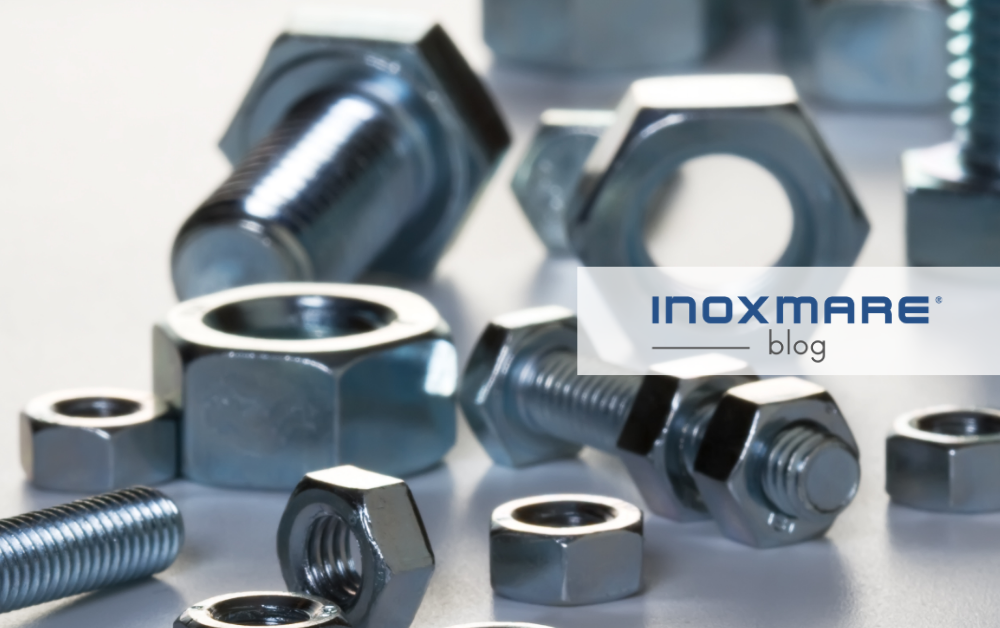
The “UNI 3740-1 – 1999 – Threaded steel connection elements. Technical requirements. General information.” standards, in addition to specifying the general requirements for steel nuts, bolts and studs, also identifies a system for the designation of fasteners. Furthermore, the “UNI ISO 1891:2014 – Fasteners – Terminology” provides translation guidance for terms and nomenclature commonly used […]
What Are the Solutions to the Connecting Problems?

As mentioned in the post last week, after seeing together what are the functions of the mechanical connections. Today we will talk about the solutions of connecting problems. What are those factors? Thanks to a methodical analysis of the factors will be easier to find a suitable solution to the connecting problem. But we analyze […]
Stainless Steel Intended for the Carriage of Gas
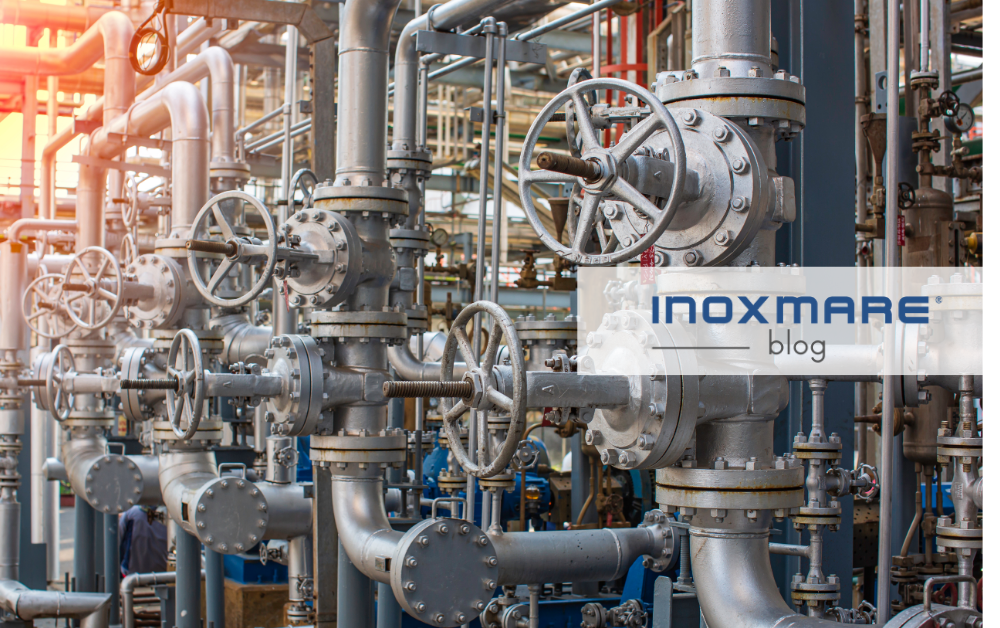
Connections for fluids (e.g. for gases) must have certain characteristics depending on their use. In this post we will get a more precise picture on stainless steel for the carriage of gas. When to use stainless steel pipes? Pipes made of austenitic stainless steel are needed when you cannot use a rigid metal pipe; for […]
Furnish with Stainless Steel. What Are the Benefits?

A recent trend in the world of furniture and design is to use stainless steel (i.e. AISI 316). What are the benefits of using this material in furniture? Why using stainless steel? The main advantages of the stainless steel used as part of installation are: In addition to these advantages: Which components can be used? […]