


Threading Process – Tap and Tap Wrenches
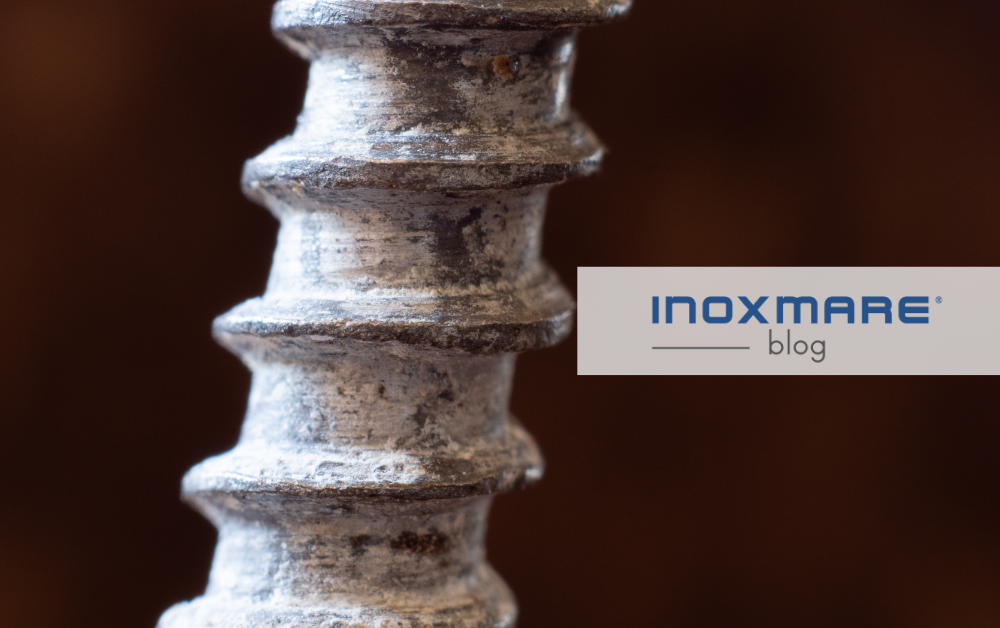
Today we want to talk about the threading process, and in particular about taps and tap wrenches. What are taps and tap wrenches? Tap (male) consist of a cylindrical body with straight or helical grooves that separate the combs groove rope. Tap wrenches are tools for tapping manual. They have two arms that allow the […]
Fasteners – What Is the Production by Shaving Removal?
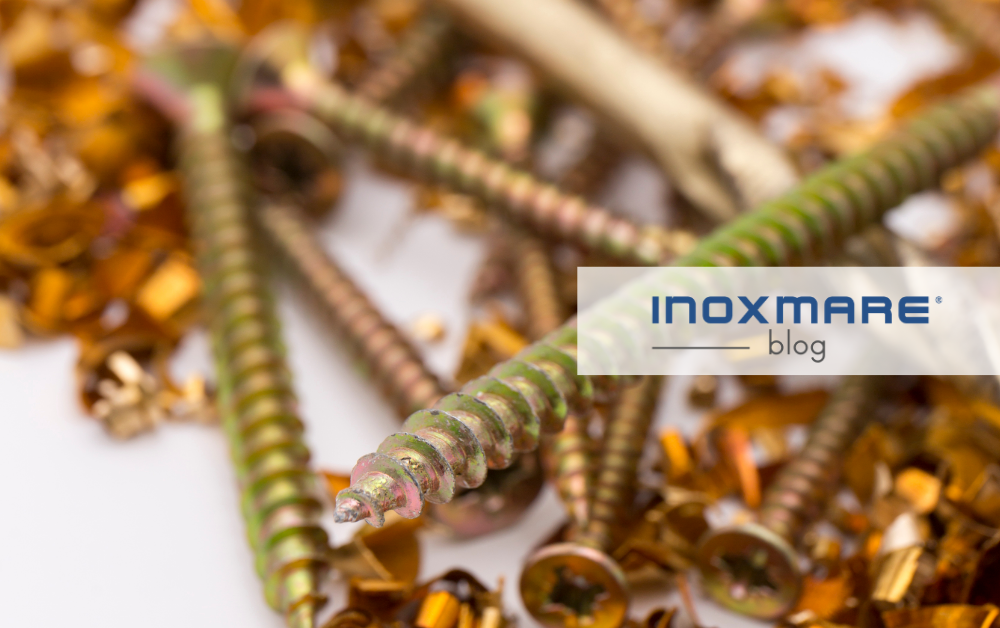
Shaving Removal. There are two several realizations of threads removal. External and internal threads. Let’s find out.. Different methods The thread execution process by shaving removal consists of different methods. Let us see them together: Internal and external threads INTERNAL THREADS The process of tapping is when the internal threads are obtained by a special […]
Retaining Rings – Why Use Stainless Steel AISI 420 or AISI 403 (2XCr13)?

Today, we will show you why use stainless steel AISI 420 or 403 for retaining rings. A little more information These type of steels belong to the family of martensitic stainless steels. They are ferromagnetic, hardenable and they have a sufficient corrosion resistance in moderately corrosive environments. In fact, they have low and medium carbon […]
Production of Fasteners – What Are the Technological Processes?
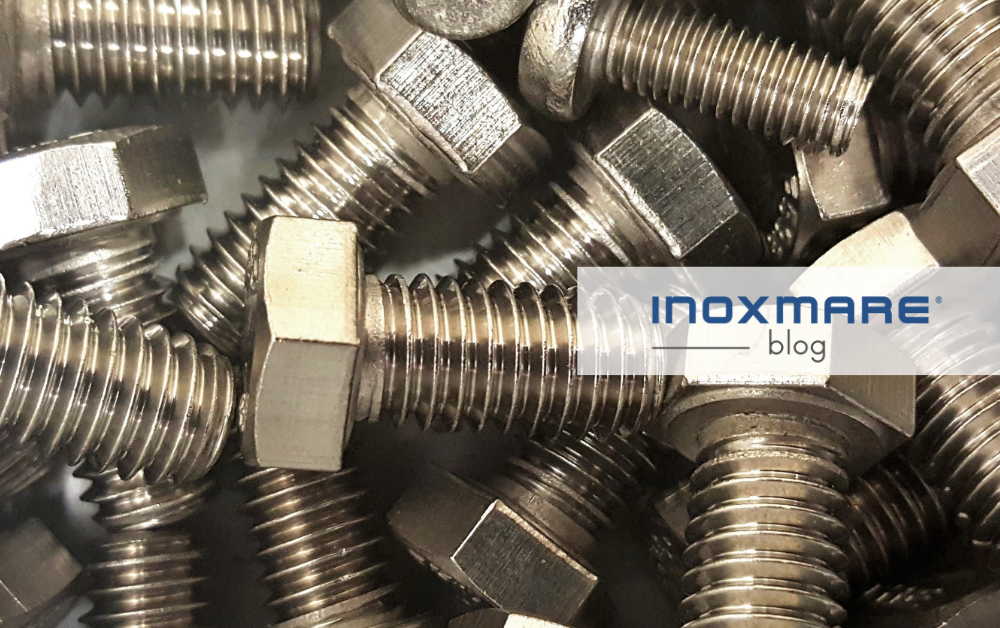
Fasteners can be produced through three basic technological procedures. Why don’t we find out them together? Which are the processes? As stated above, there are three different technological processes for the production of fasteners: Let’s see them in particular! Shaving removal This type of process start with bars. These are then processed on automatic lathes, […]
DIN 3506-3: Hardness Class. It Doesn’t Add Up!
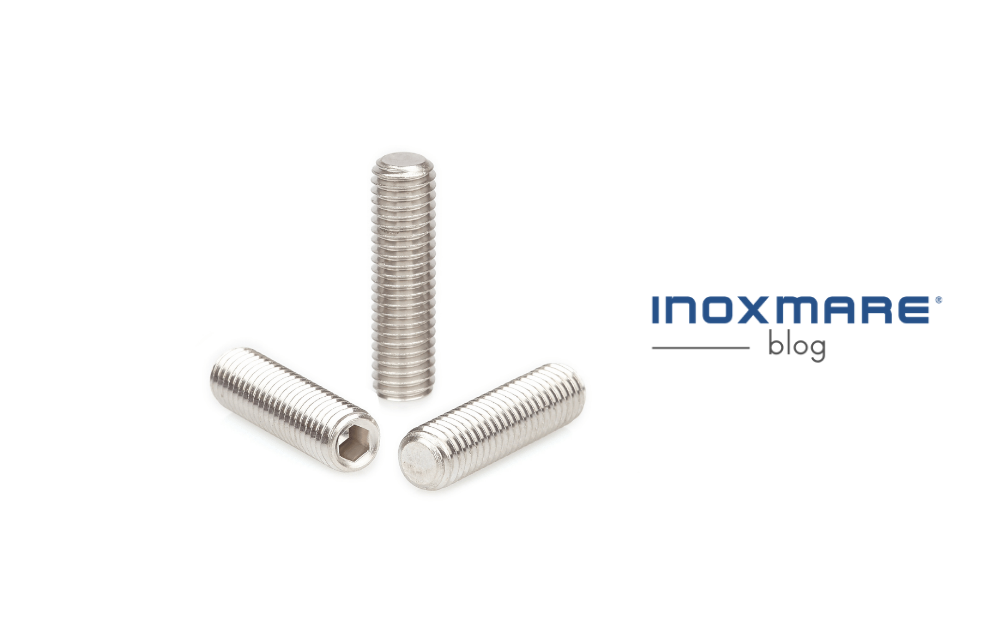
Today we would like to bring to your attention a controversial topic. We are talking about stainless steel hexagon socket set screws. The preconditions We acting on the assumption that hexagon socket set screws don’t have head, quality tests doesn’t provide the resistance measuring. They are distinguished in the following hardness classes: Please find below […]
Austenitic Stainless Steel Fasteners. Why Use Them? PART II
Here is the second part of our post on austenitic steel connection elements. What are the advantage of using them? Temperature resistance Austenitic steel has good resistance to temperature. For connection parts galvanized the Chromating is destroyed at temperatures above 80°C. So drastically reduce the corrosion resistance. Maintenance Austenitic steel screws and nuts are raw. […]
Austenitic Stainless Steel Fasteners. Why Use Them? PART I
Today we are talking about what technical topics for the use of austenitic steel fasteners. Also the avoidance of potential problems. Here are some advantages The surface of austenitic steels is shiny and of good appereance. In fact, a connecting element that does not rust will donate aesthetic perfection. In addition to aesthetics, austenitic steels […]
Safety Washers and Tab Washers – What They Are For?
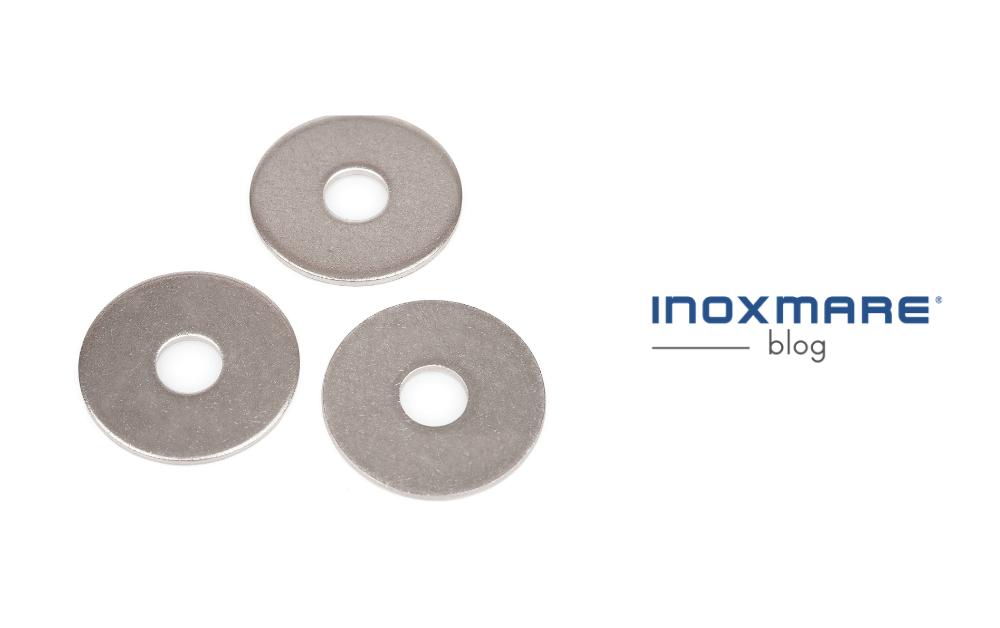
Stainless steel safety washers are thin plates (typically disk-shaped) with a hole (typically in the middle). Washers. Where to place them? Washers are normally used to distribute the load of a threaded fasteners, such as a screw or nut. A locking washer that works by having a side tab that can be bent into place […]
Chemical Composition of Austenitic Steel
Austenitic Steel. More of all fasteners (97%) made from stainless steel are produced from this steel composition group. Why this choice? This group of steels is characterised by impressive corrosion resistance and excellent mechanical properties. The classification of austenitic steel This type of steel are divided into 5 main groups whose chemical compositions are as […]
How Do You Calculate the Screw Pull-Out Stength?
Do you want to know about steel screw pull-out strength? We’ll help you to understand how to do it. How do you calculate it? The screw pull-out strength is calculated in accordance with section 8.7.2 of Eurocode 5 – Design of timber structures (version UNI EN 1995-1:2009). What is the result? The value that you […]