


How Do You Calculate the Screw Pull-Out Stength?

Do you want to know about steel screw pull-out strength? We’ll help you to understand how to do it. How do you calculate it? The screw pull-out strength is calculated in accordance with section 8.7.2 of Eurocode 5 – Design of timber structures (version UNI EN 1995-1:2009). What is the result? The value that you […]
Stainless Steel. Any of You Ever Hear of Thermal Conductivity?

It is common belief that the metals are conductors of heat. But not all metals are good conductors in the same way. The characteristic depends on the type of metal. The thermal conductivity of materials. What can we infer from the following table? The values of thermal conductivity of various metals. METALS Conductivity /W/(cm °C) […]
Dynamic Loads. The Resistance of Stainless Steel Screws.
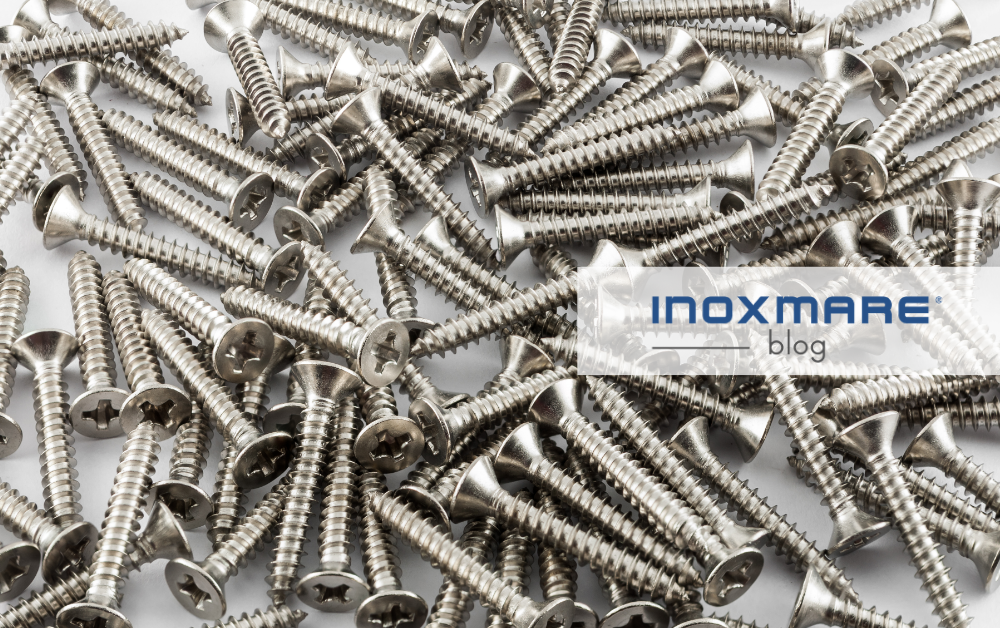
Screws are notched components. Why are they considered as such? For their threading. And where the screws are subjected to repeated and irregular stress? In some cases the break occurs in the first load-bearing part of the thread, at the entry into the internal (female) thread. (in 90%) What is it necessary for the design? […]
Stainless Steel. Chemical Stability.

Austenitic steels A1, A2 and A4 obtain their resistance to corrosion through a surface protective layer of oxide. When the surface protective layer is damaged If the surface protective layer is damage it uses atmospheric oxygen to regenerate itself. If access to atmospheric oxygen is blocked: Then even these steels will corrode. Some general […]
Not Only Tensile Strength..

After having addressed the issue of yield and tensile strength in one of our previous blog post. Secondly, there is the matter of elongation at fracture A, the tensile strength under wedge loading and head soundness. Elongation at fracture A [%] It is the permanent elongation measured on the fractured specimen related to the original measured […]
How to Prevent the Galvanic Corrosion?
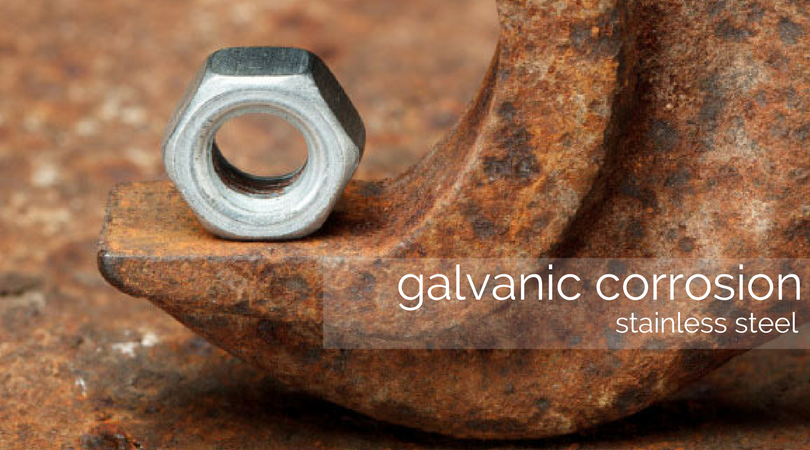
Galvanic corrosion. When (for external application) we match stainless steel with other metals it is appropriate that they be separated by an non-metallic insulator. For example, including neoprene or nylon. Why do this? To avoid the risk of galvanic corrosion.
Stainless Steel. How to Clean It?
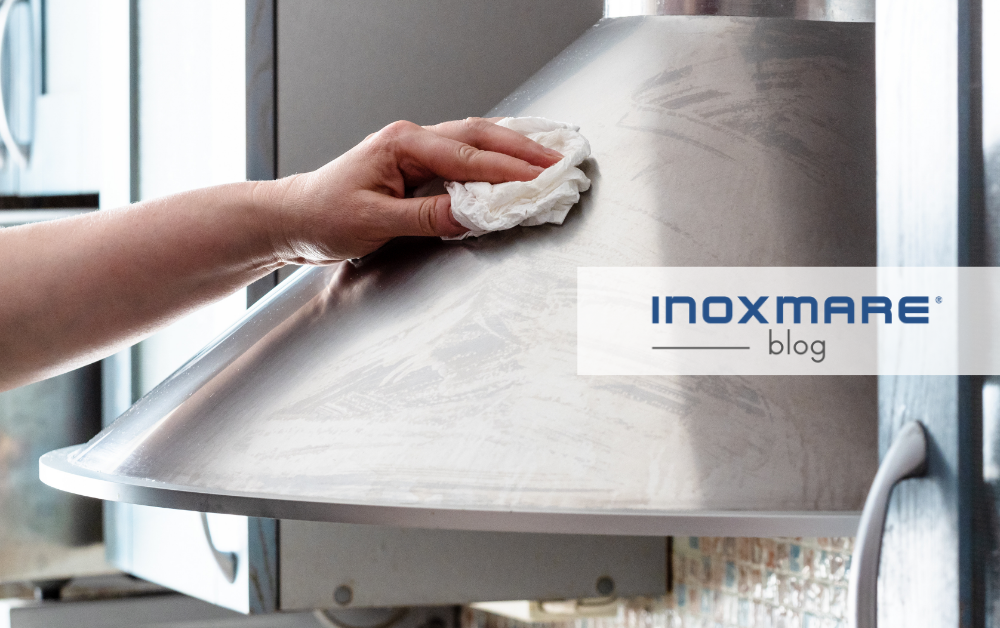
In today post we face the taking care and maintenance of stainless steel items, surfaces and finishes. Finishes for exterior environments. To do it or not? Rainwater is beneficial to cleaning stainless steel. The fixtures for outdoor applications, (decorated or directional) should therefore be oriented in such a way as to facilitate the draining of […]
Bonding and Welding of Stainless Steel

Stainless steel can be joined to other materials using different methods, each with its own characteristics and advantages. Bonding Stainless Steel Stainless steel can be bonded to other materials using several types of adhesives, including: Choosing the most suitable adhesive depends on several factors, such as: In general, a rough surface finish improves adhesive performance, […]
The Mechanical Joints. How to Fix Stainless Steel?
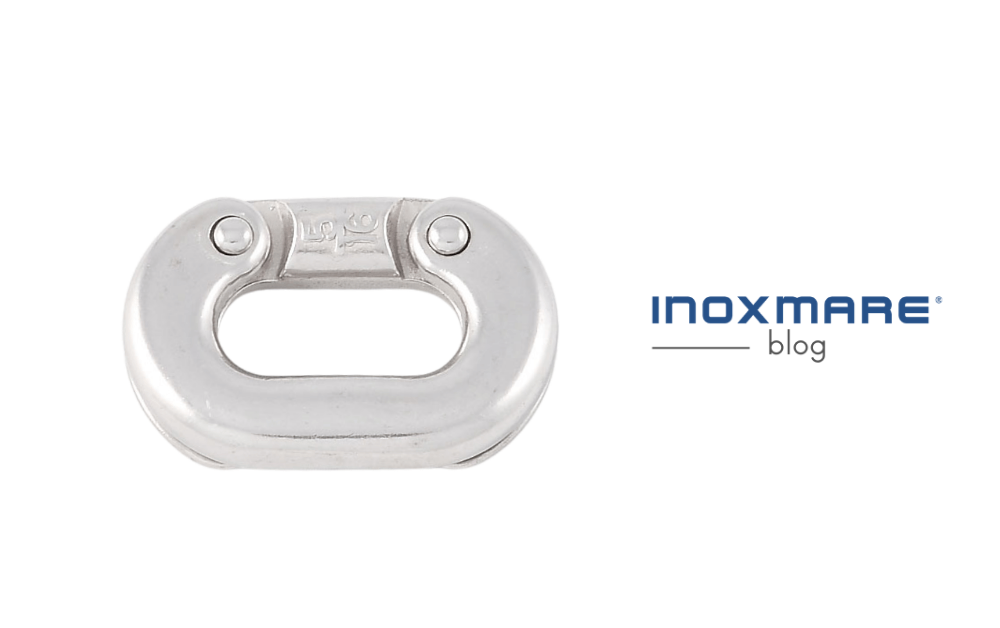
The Mechanical Joints. Stainless steel can be fixeded (or combined) with other materials through traditional techniques. Some examples are welding, brazing, bonding and mechanical joining. The latter will be the topic of this post. How to choose the best technique? Choosing the most appropriate method to use depends on many factors. Which ones? The mechanical […]
The Workability of Stainless Steel

The workability of stainless steel. Stainless steels be subjected to normal manufacturing processes. Some examples? The roll forming, bending etc.. Let us see them more specifically. Working processes As mentioned earlier today we talk about the workability of stainless steels. What are working processes? What are the differences? Austenitic steels are subject to work hardening. […]