


Standard ISO 3506 – The Carbon Content of Stainless Steel

Today we want to talk about standard ISO 3506 – 2009, especially in regards to carbon found in austenitic A4 stainless steel. Standard DIN EN ISO 3506-1:2009 Below is the Table 1, where the chemical compositions of all groups of steel are explained. What we will consider today is the austenitic A4 ones. Here we […]
What’s the Recrystallization Process?

Today we talk about the recrystallization process. It makes new not deformed hexagon socket set screw to replace the previous ones. Find out what this processi s and especially how it happens. How does it happen? How does the recrystallization process heppens? The temperature range in which you have the recrystallization is between 0.3 and […]
What Are Benefits and Limitations of Use of Thread Rolling Process?
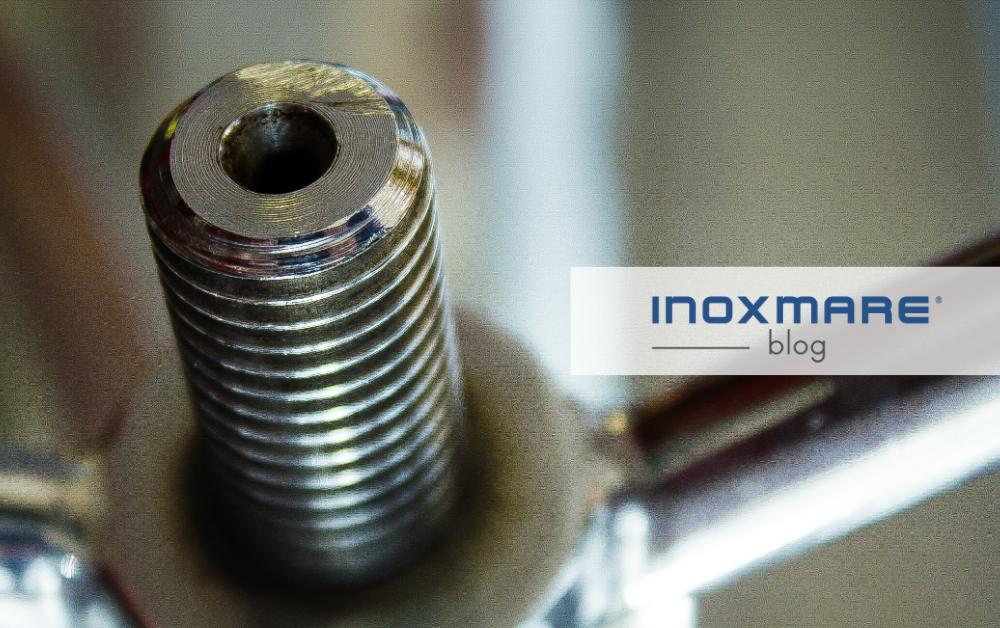
The threads obtained by rolling process have a fiber direction that increases the mechanical resistance of the thread itself, caused by cold deformation. What are the benefits of thread rolling process? Here are all benefits: And what are the limitations? Indeed, there are the limitations of use of thread rolling process: Thread rolling process and […]
Construction and Architecture. Why Use Stainless Steel?

To prevent forms of corrosion such as pitting and crevice corrosion, in construction and architecture it is very important to choose the right stainless steel. Stainless steel and corrosion resistance The common characteristic of all types of stainless steel (austenitic, ferritic, martensitic and austenitic-ferritic) is the resistance to corrosion. How can they be immune from […]
Austenitic Stainless Steel Fasteners. Why Use Them? PART II
Here is the second part of our post on austenitic steel connection elements. What are the advantage of using them? Temperature resistance Austenitic steel has good resistance to temperature. For connection parts galvanized the Chromating is destroyed at temperatures above 80°C. So drastically reduce the corrosion resistance. Maintenance Austenitic steel screws and nuts are raw. […]
Austenitic Stainless Steel Fasteners. Why Use Them? PART I
Today we are talking about what technical topics for the use of austenitic steel fasteners. Also the avoidance of potential problems. Here are some advantages The surface of austenitic steels is shiny and of good appereance. In fact, a connecting element that does not rust will donate aesthetic perfection. In addition to aesthetics, austenitic steels […]
Chemical Composition of Austenitic Steel
Austenitic Steel. More of all fasteners (97%) made from stainless steel are produced from this steel composition group. Why this choice? This group of steels is characterised by impressive corrosion resistance and excellent mechanical properties. The classification of austenitic steel This type of steel are divided into 5 main groups whose chemical compositions are as […]
Stainless Steel. Chemical Stability.

Austenitic steels A1, A2 and A4 obtain their resistance to corrosion through a surface protective layer of oxide. When the surface protective layer is damaged If the surface protective layer is damage it uses atmospheric oxygen to regenerate itself. If access to atmospheric oxygen is blocked: Then even these steels will corrode. Some general […]
The Workability of Stainless Steel
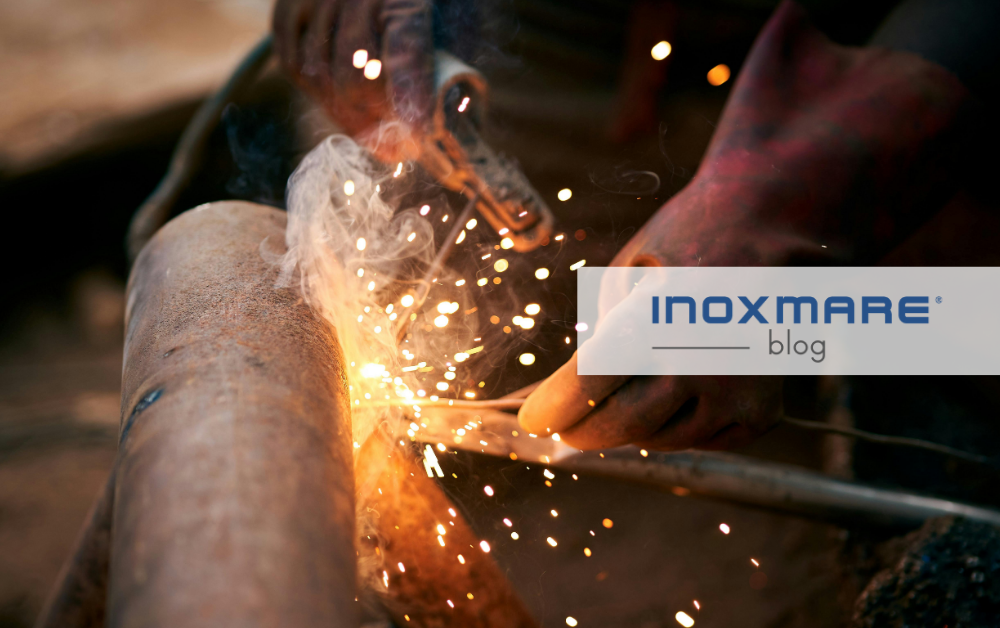
The workability of stainless steel. Stainless steels be subjected to normal manufacturing processes. Some examples? The roll forming, bending etc.. Let us see them more specifically. Working processes As mentioned earlier today we talk about the workability of stainless steels. What are working processes? What are the differences? Austenitic steels are subject to work hardening. […]
Why Is Austenitic Steel Magnetic?

Today we want to deal with a very complex subject: magnetism in austenitic steel. Austenitic steel. Why do they become magnetic? Austenitic steels contains Cr (16 – 20%), Ni (7 – 18%) and only some kinds Mo (2 – 6%) with a carbon content of typically less than 0.08%. The presence of stabilizing elements (such as Ti) improves the corrosion resistance, […]